How email automation quietly increases your SaaS revenue (the 5 flows I run)
Email automation is the highest-leverage, lowest-glamour thing I added to my SaaS. The five lifecycle flows I run, what they actually do for revenue, and why I ended up building my own email tool.
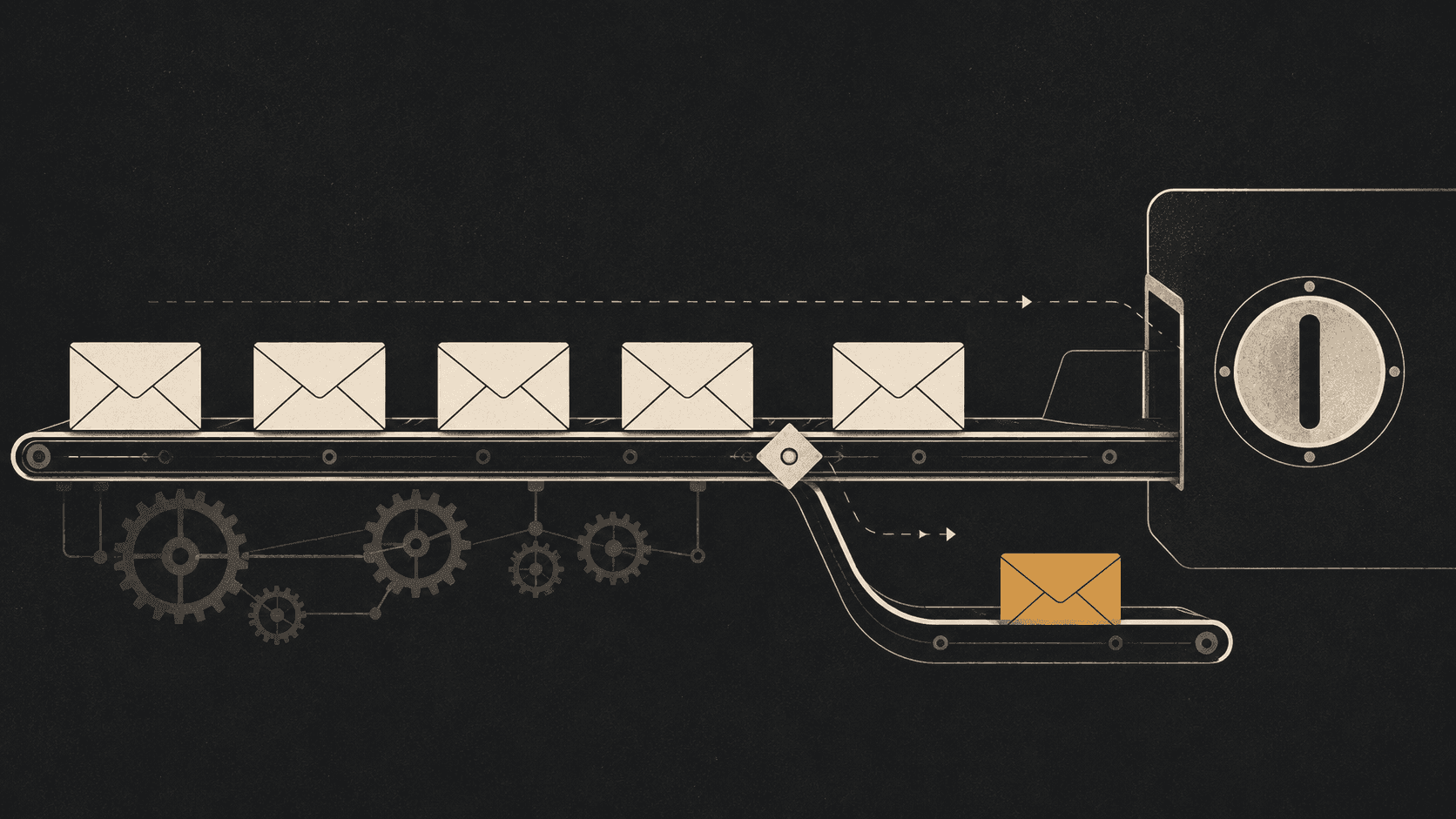
I spent my first year as a founder obsessing over features and traffic, and almost no time on what happens between "someone signed up" and "someone paid". Turns out that gap is where a big part of your revenue quietly leaks out, and email automation is the cheapest patch you will ever ship.
Here is the uncomfortable math of a self-serve SaaS: most people who sign up never activate, most trials expire without a card, and most cancellations happen silently. None of those people will be saved by a new feature. Some of them will be saved by the right email at the right moment, sent automatically, every time, without you thinking about it.
The five flows that do the actual work
I run lifecycle email for PostFast, my social media scheduler, and after a lot of iteration it settled into five flows. I wrote a detailed breakdown of the exact triggers, delays, and branching in this drip campaign guide, so here is the short version:
- Signup nudge. One email to people who created an account but never started a trial. One, not five. These are cold leads, not an audience.
- Trial activation. The workhorse. Around five emails across the trial, but branched: if the user already did the key setup step, the "get started" email skips. Sending setup instructions to someone who finished setup is how you train people to ignore you.
- Post-activation. A couple of hours after the user's first real action, one email with the single next step. The product should carry onboarding from there.
- Win-back. One email, a day after a trial expires, with a concrete reason to come back, and a tag that makes sure no automation ever repeats the offer. Win-backs recover a trickle, not a flood. But the trickle costs zero.
- Cancel save. If your billing has a notice period, the window between "clicked cancel" and "access ends" is still playable. Branch it on the cancellation reason. And after it ends, a one-line "what should we have done better" email. The replies are brutal and more useful than any dashboard.
What did that do for revenue? I will not invent a precise number, because attribution on lifecycle email is genuinely fuzzy. What I can say: activation went from something I worried about to something I stopped thinking about entirely, expired trials keep converting days after expiry, and the cancel flow catches people every month who would have silently churned. It is the only marketing channel I have that works while I sleep and costs effectively nothing per send.
The two mistakes that cost me the most
Trusting a calendar instead of events. My first sequences were "day 1, day 3, day 5" drips. They embarrassed me weekly, congratulating people on steps they had not taken and nudging people who were already done. Every flow above is triggered by product events and checks conditions before sending. That single change is worth more than any subject line.
Trusting the wrong metrics. Open rates are noise since Apple's Mail Privacy Protection, and one of my email tools once showed me a delivery rate of 35 percent while the actual number at the provider was 97. Judge flows on clicks and on the conversions they touch, and verify deliverability at the source.
Why I ended up building my own tool
I tried running this on mainstream email platforms and kept hitting the same wall: the event-trigger and branching primitives I needed were either missing or locked behind enterprise pricing that makes no sense for a bootstrapped SaaS. So I did the unreasonable thing and built SendHeron, the email automation tool I wanted: tags, event triggers, delays, condition branches, and honest analytics, without the enterprise tax. It runs every flow in this article. It is in a gated beta while I harden it, and if this article describes a problem you have, the waitlist is open.
Start with flow 2 either way. Whatever tool you use, the activation sequence pays for the whole habit.
Related articles

Why your business structure matters more than your stack (mine is a Bulgarian EOOD)
Founders will debate frameworks for weeks and pick a legal structure in an afternoon. What running my SaaS through a Bulgarian EOOD actually looks like: the real tax math, the boring protections, and who should not copy me.
What is the meaning of an MVP in Software Development?
Understanding MVPs helps you build projects and avoid common pitfalls that come with over-engineering a new project.
My Newsletter
Subscribe to my newsletter and get the latest articles and updates in your inbox!